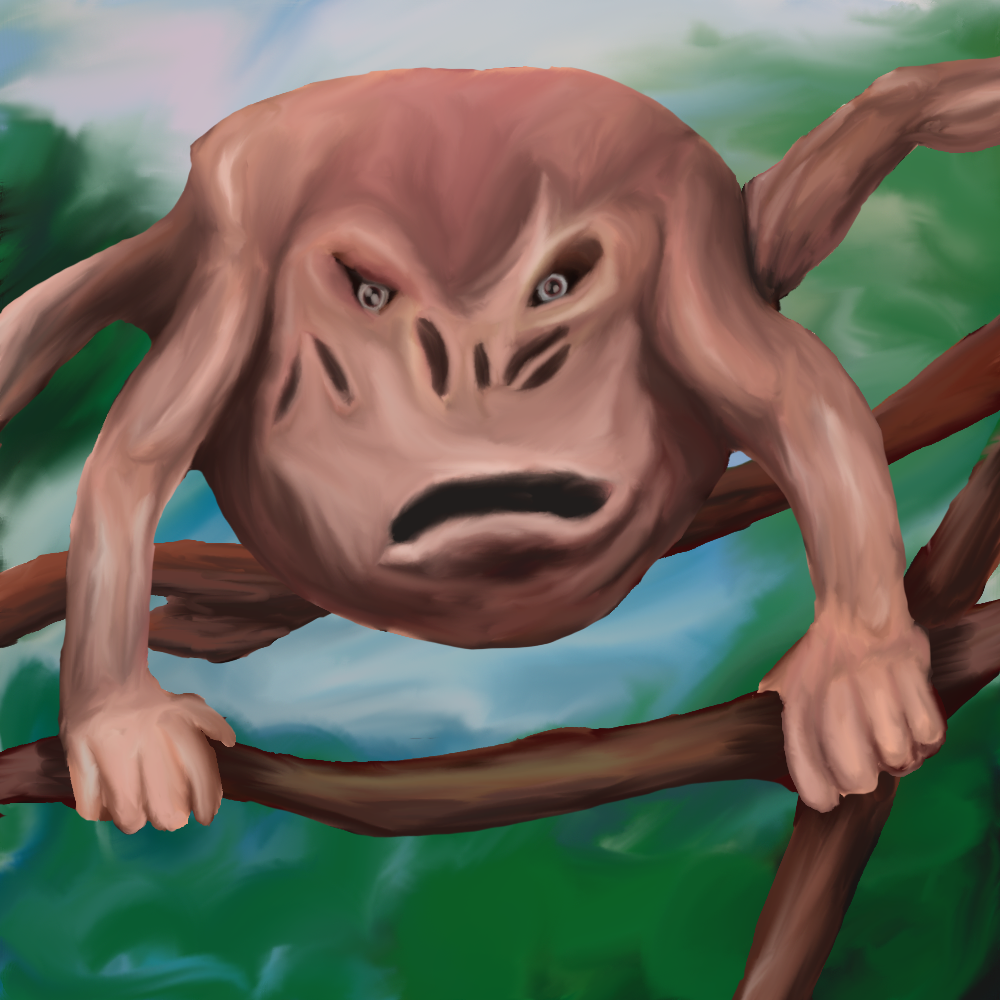
Grub Grabbers
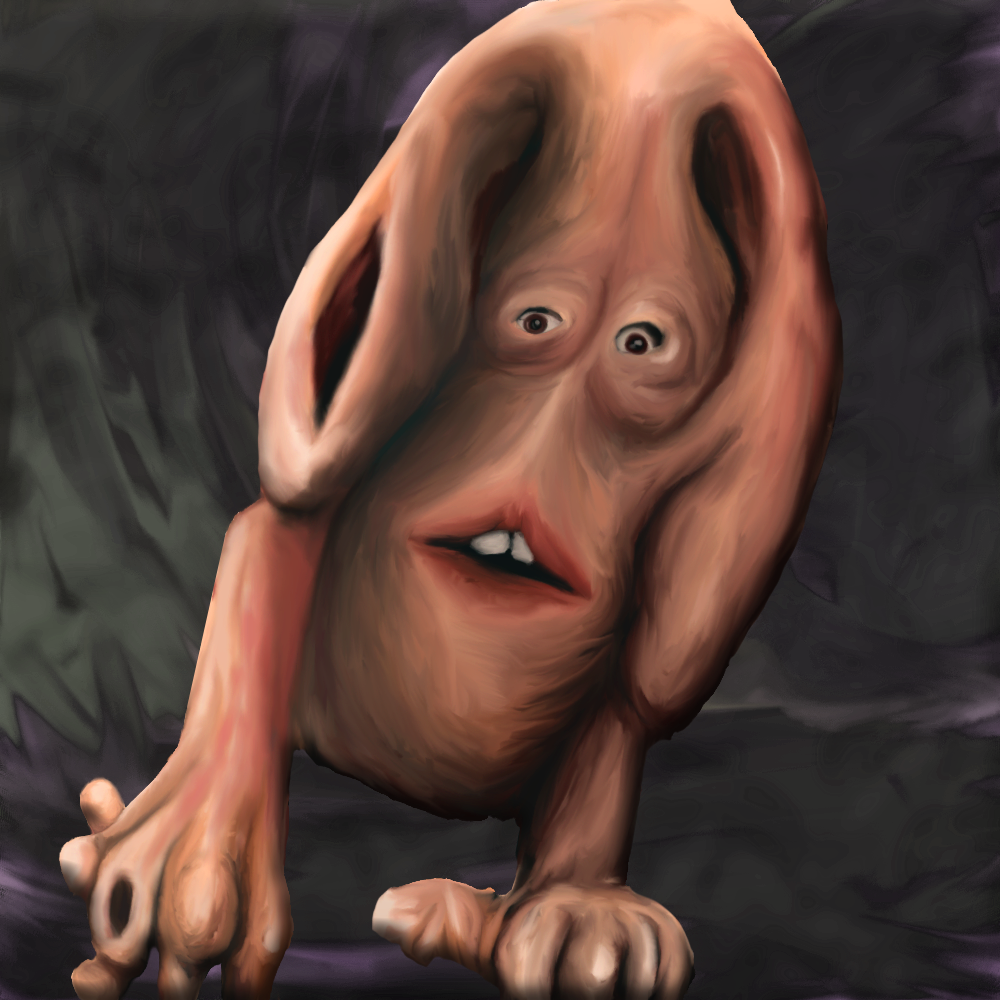
Photograph of a wild Grub Grabber - Wellesia, 1987
The marshes have proven to be the breeding grounds of these diminutive mud-walking creatures. We've been stopped by the reeds from making free progress, as their marshy plants are far woodier and more solidly rooted than our own. Francis has been taking notes on their structures, but from the furrow in his brow he's as lost as I am.
I took one of these reeds and began to sweep across the thatched sticks, which did prove a suitable method of blazing a trail through the muir. The beasts scramble when confronted, however they don't exhibit the same distress and disarray as the night prior. Perhaps the mud they inhabit has some soporific effect, or otherwise it could be that we pose a less intimidating sight in the daylight. This apparent disinterest in our presence has made for some fine sport hunting, we have used the roddy-reeds as impromptu frog spears and will soon be investigating their suitability as cooking skewers.
Francis has complained of a bug bite from something in the reeds, claims of a red beetle or some such. Poppycock, as I see it. The fool stung his hand on the tip of a reed when trying to bisect it, or more like he got a skelf when unloading a crate and is too afeared to cut it out himself.
~James Naysmith Robertson, Robertson Expedition 1885